 MUSE
MUSE
Designer Toys vs. Mass-Market Toys: What Makes a Collectible 'Designer'?
The Difference Is in the Design, Not the Category
A toy is a toy — until it is not. Walk into any toy aisle and you will find shelves of brightly packaged, mass-produced figures made by the millions. Set a designer toy beside them and the difference is immediate, even if you cannot quite name it. One feels like a product. The other feels like a small, deliberate act of art.
That distinction sits at the heart of the designer toy movement, and it is the reason a vinyl creature no taller than your palm can earn a permanent place on a collector’s shelf. For newcomers to the scene in the Gulf, understanding what actually separates a designer toy from a mass-market one is the first step toward collecting with intention rather than impulse.
The Artist Is the Product
The clearest dividing line is authorship. A mass-market toy is typically produced to serve a licensed character, a film, or a trend. The object exists to sell recognition — you buy it because you already know what it is.
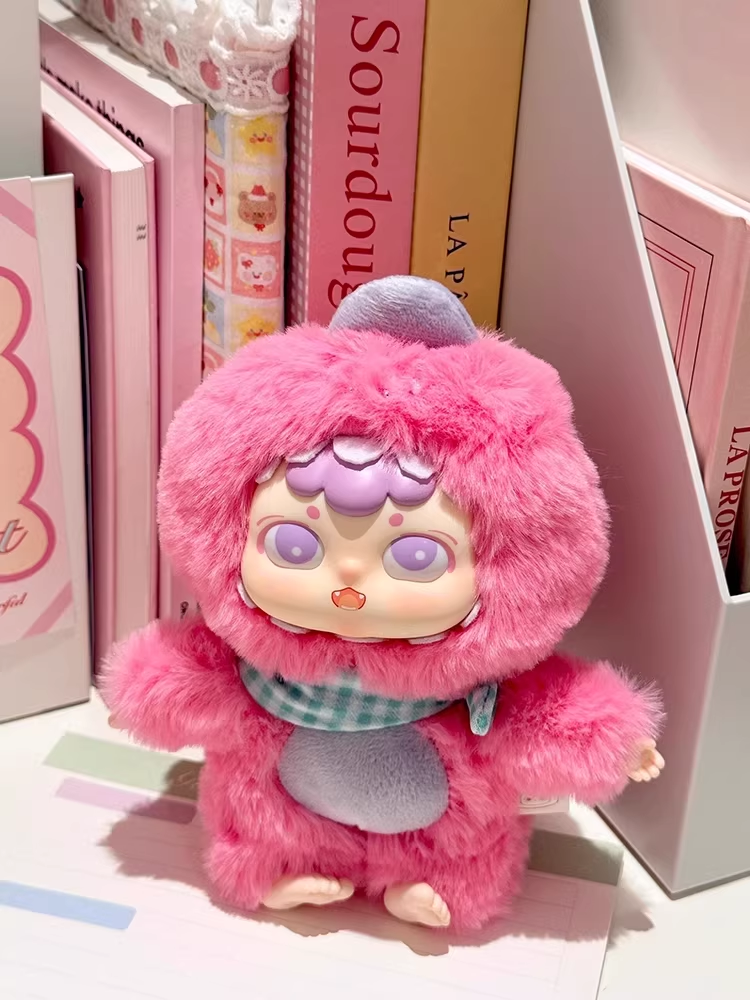
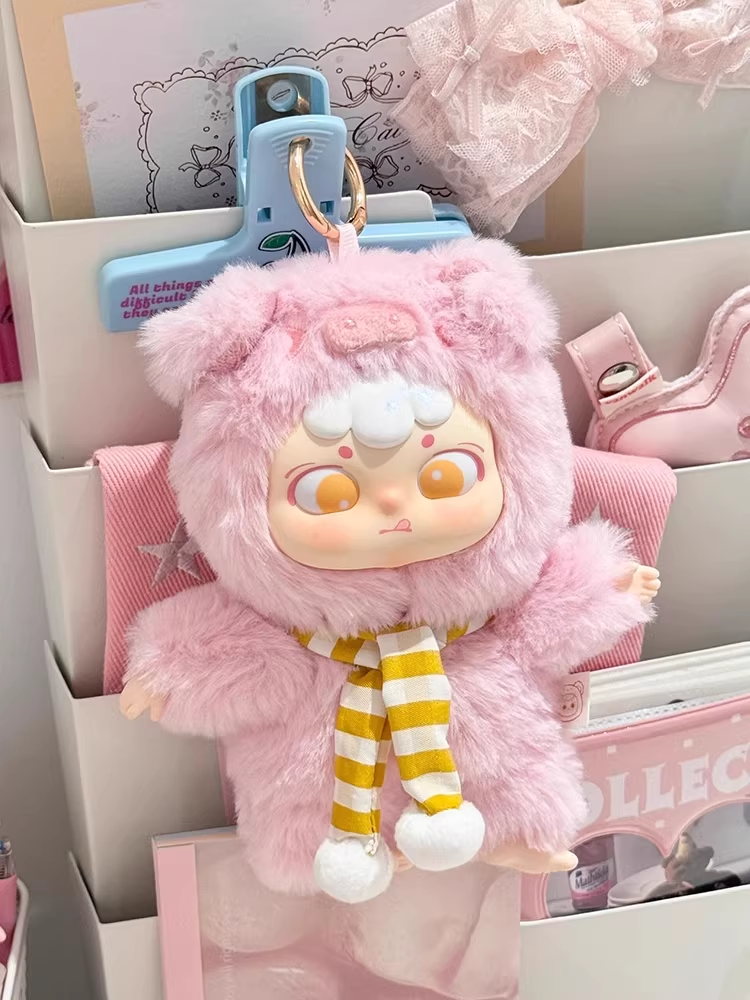
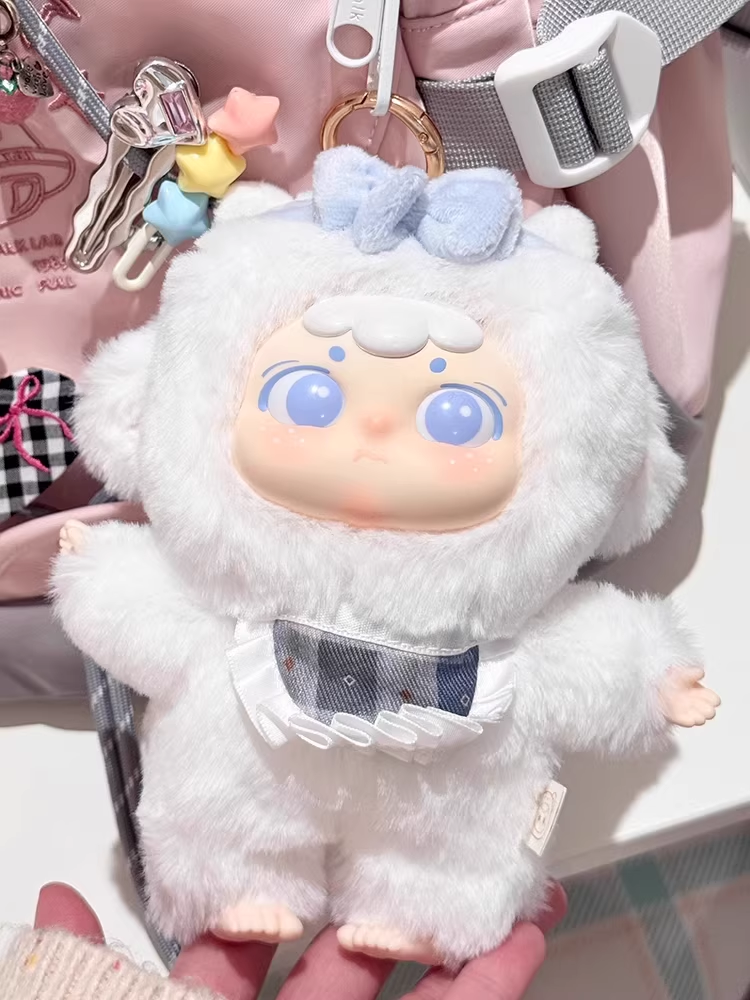
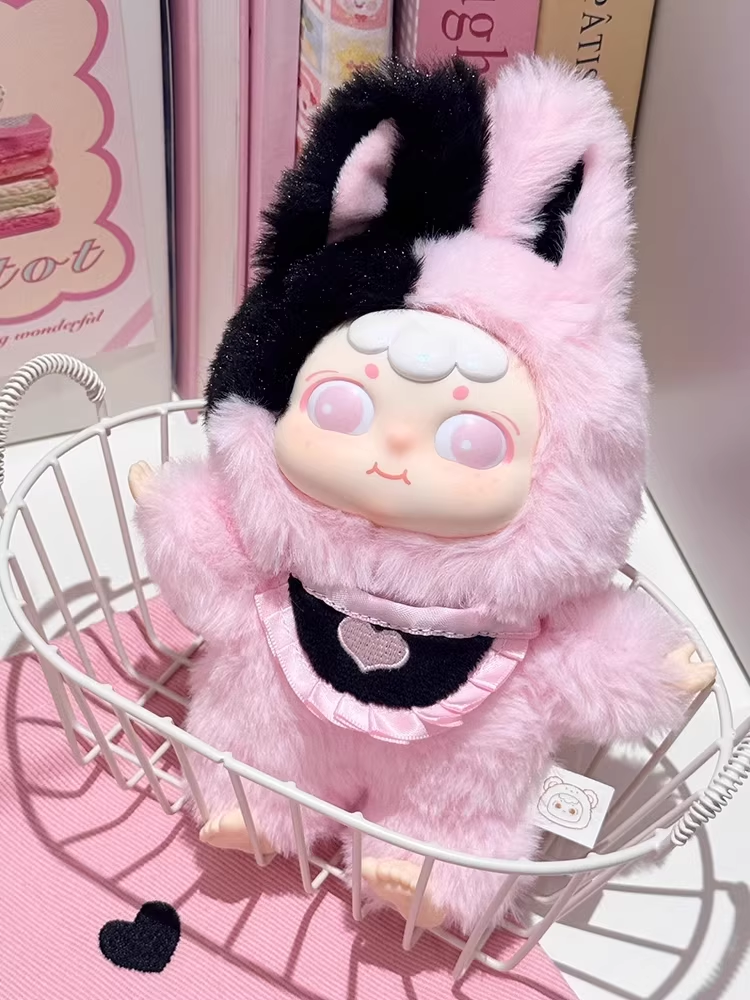
A designer toy inverts this. Here the artist or studio is the brand, and the character exists to carry a signature style. Maytree, the studio behind the Dumia vinyl plush line, is a useful example. Series such as the Forest Family collection or the Shining Cardsprites keyrings are not tied to any movie or franchise. They succeed because the design language itself — the soft forms, the muted palettes, the gently surreal faces — is recognisable as Maytree’s own.
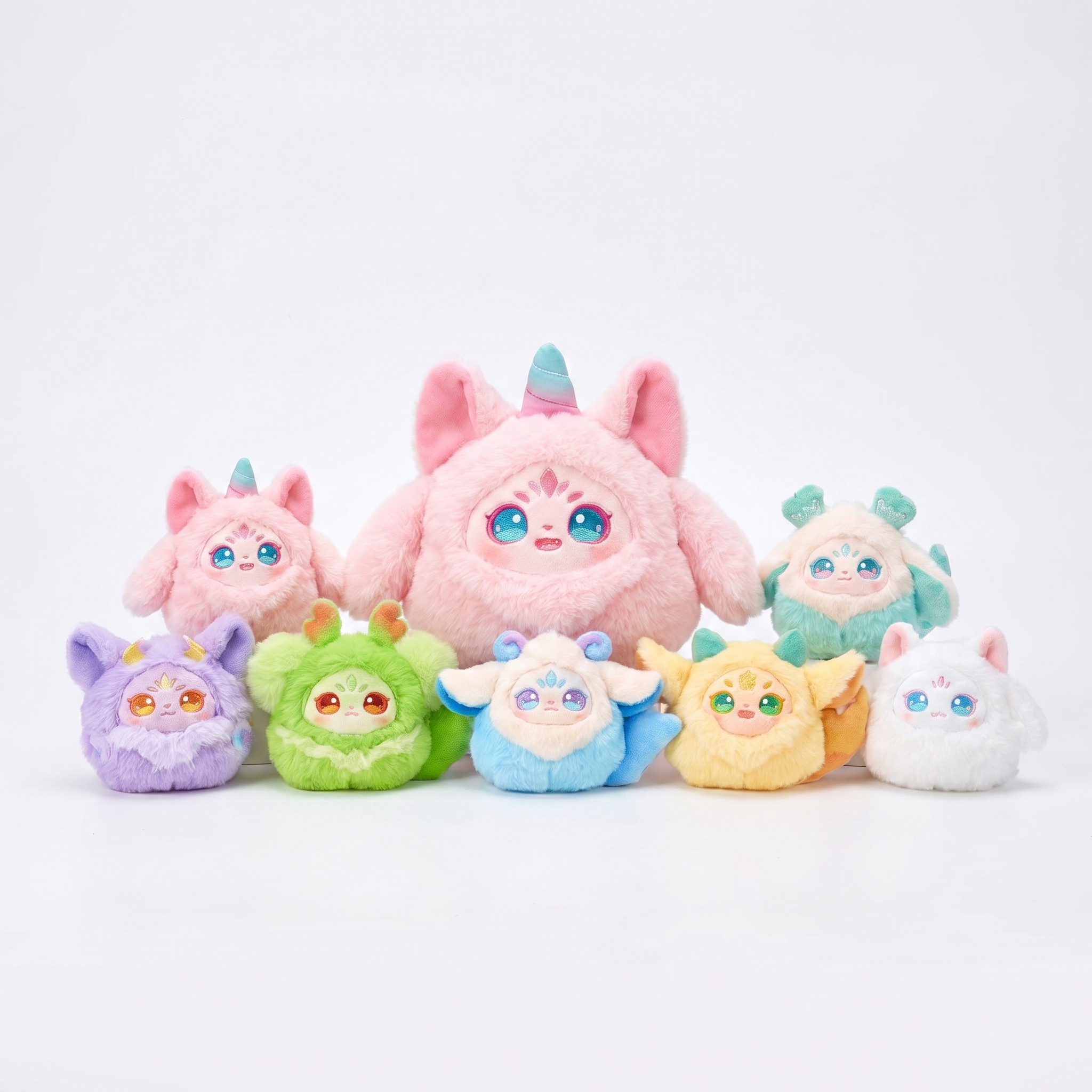
This authorship changes how collectors relate to the object. You are not buying into a property; you are buying into a point of view, and following that point of view across multiple series becomes part of the pleasure.
Limited Runs and the Logic of Scarcity
Mass-market toys are manufactured at a scale where availability is assumed. There will always be more. Designer toys, by contrast, are produced in deliberate, bounded batches. A blind box series ships in a fixed run, with each character distributed in known ratios and a secret chase figure held back to reward persistence.
That scarcity is not artificial hype — it is the natural consequence of small-batch production. When a studio designs, sculpts, and finishes a character in vinyl plush or PVC, it cannot simply turn the crank for a million more units. The limit is part of the format. For collectors, this means a finished series carries a quiet sense of completeness that a replenished toy aisle never will.
The Blind Box Turns Collecting into a Ritual
Perhaps the most distinctive feature of the designer toy world is the blind box. You choose a series, not a specific character, and discover your pull only when the box is opened. This mechanism — part lottery, part ritual — is almost unknown in mass-market retail, where transparency and predictability are the whole point.
The blind box rewards a different mindset. It converts a purchase into an experience, and it gives a collection a social dimension as collectors trade duplicates and hunt for the figure they are missing. If you are curious about how this culture took root in the region, our guide to blind box culture in the GCC walks through it in detail.
Material and Finish: The Tactile Divide
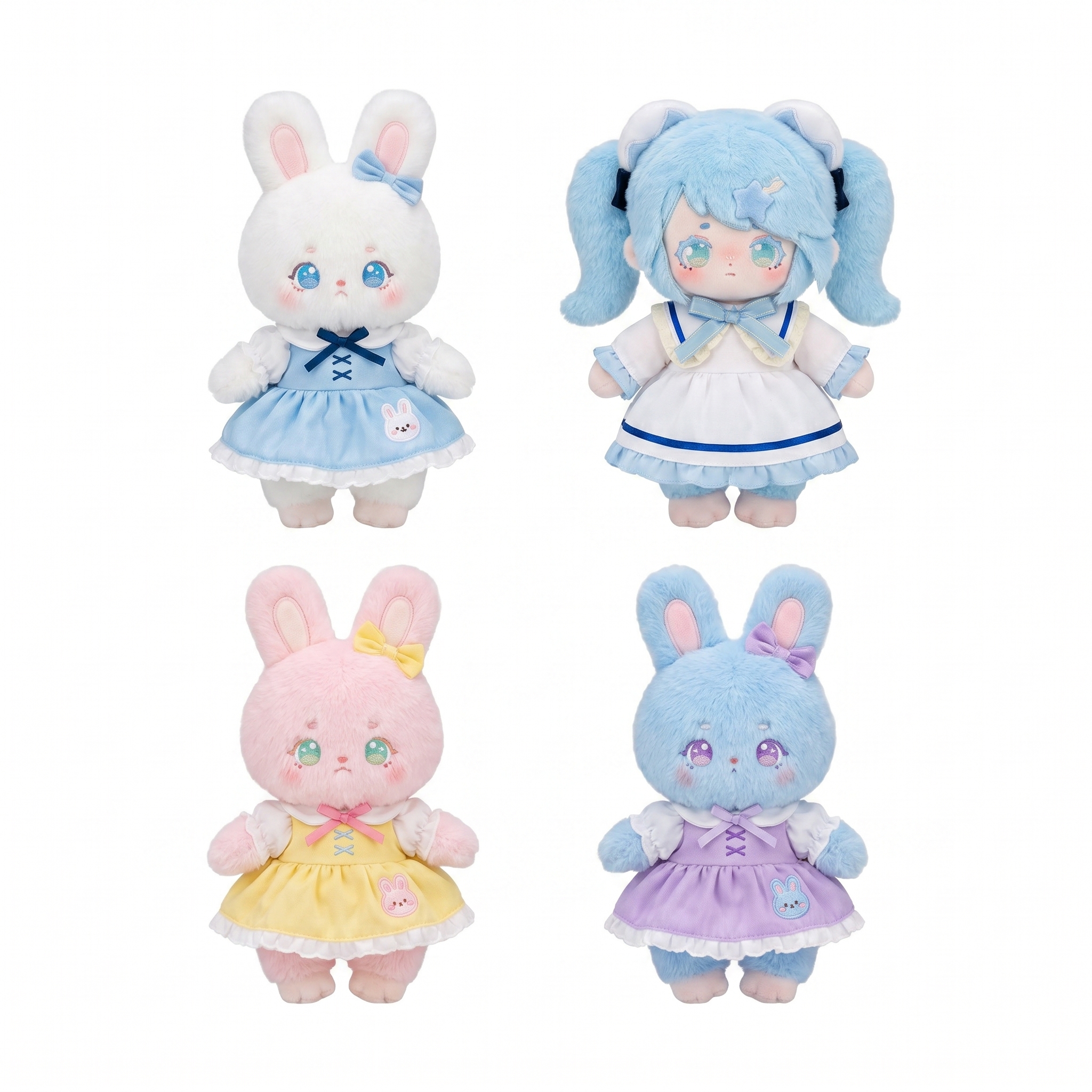
Pick up a mass-market figure and a designer toy back to back and the difference is physical. Designer toys lean on materials chosen for how they feel: the vinyl-and-plush hybrid that gives Dumia figures their soft, huggable weight, or the solid, articulated PVC of a poseable line. Finishing is slower and more careful, because the studio’s reputation rests on every unit that leaves the factory.
That tactile quality is not a detail. It is why collectors display these figures in their living spaces rather than storing them in a toy chest. A well-made designer toy asks to be handled, rotated, and appreciated from every angle — which is also why the movable plush format has become such a phenomenon among Gulf collectors.
What This Means for Collectors in the GCC
For collectors in Dubai and across the Gulf, the designer toy distinction translates into a practical question: where you buy matters as much as what you buy. A genuine, limited-run series loses its meaning if it arrives after a month of uncertain overseas shipping — or worse, turns out to be a counterfeit.
This is where sourcing through an authorised channel changes the experience. MUSE curates authentic Maytree and Dumia series and holds them in Dubai ready stock, so a collector in the region can go from choosing a series to unboxing it within the same week rather than waiting three to five weeks for a shipment from abroad. Speed, for a format built on the spontaneity of the pull, is part of the appeal.
Start Curating, Not Just Accumulating
Knowing the difference between a designer toy and a mass-market toy is what turns a shelf of figures into a collection. It means choosing series whose design language you respond to, understanding that the limit is a feature rather than a flaw, and treating each pull as a small ritual rather than a transaction.
If you are ready to begin, our guide to starting a designer toy collection in the UAE and GCC lays out a simple path from first series to first display. And if you already know the feeling you are chasing — a certain softness, a certain palette, a certain kind of face — contact us via WhatsApp and we will help you find the series that matches it.
Get in Touch