 MUSE
MUSE
The Art of Display: How Dubai Collectors Are Styling Designer Toys at Home
The Art of Display: How Dubai Collectors Are Styling Designer Toys at Home
A collection only becomes a collection when someone sees it. And in Dubai — where every surface is a deliberate choice — the question is no longer what to collect, but how to show it off.
Designer toys are no longer tucked into a bedroom corner. They are on open shelving, inside glass cabinets, and woven into vignettes alongside art books, candles, and ceramics. Dubai’s interior design culture — shaped by high-rise living, natural light, and a taste for clean, considered spaces — has created the perfect environment for designer toys to function as legitimate home decor. The challenge is knowing how to do it well.
Start With a Colour Story
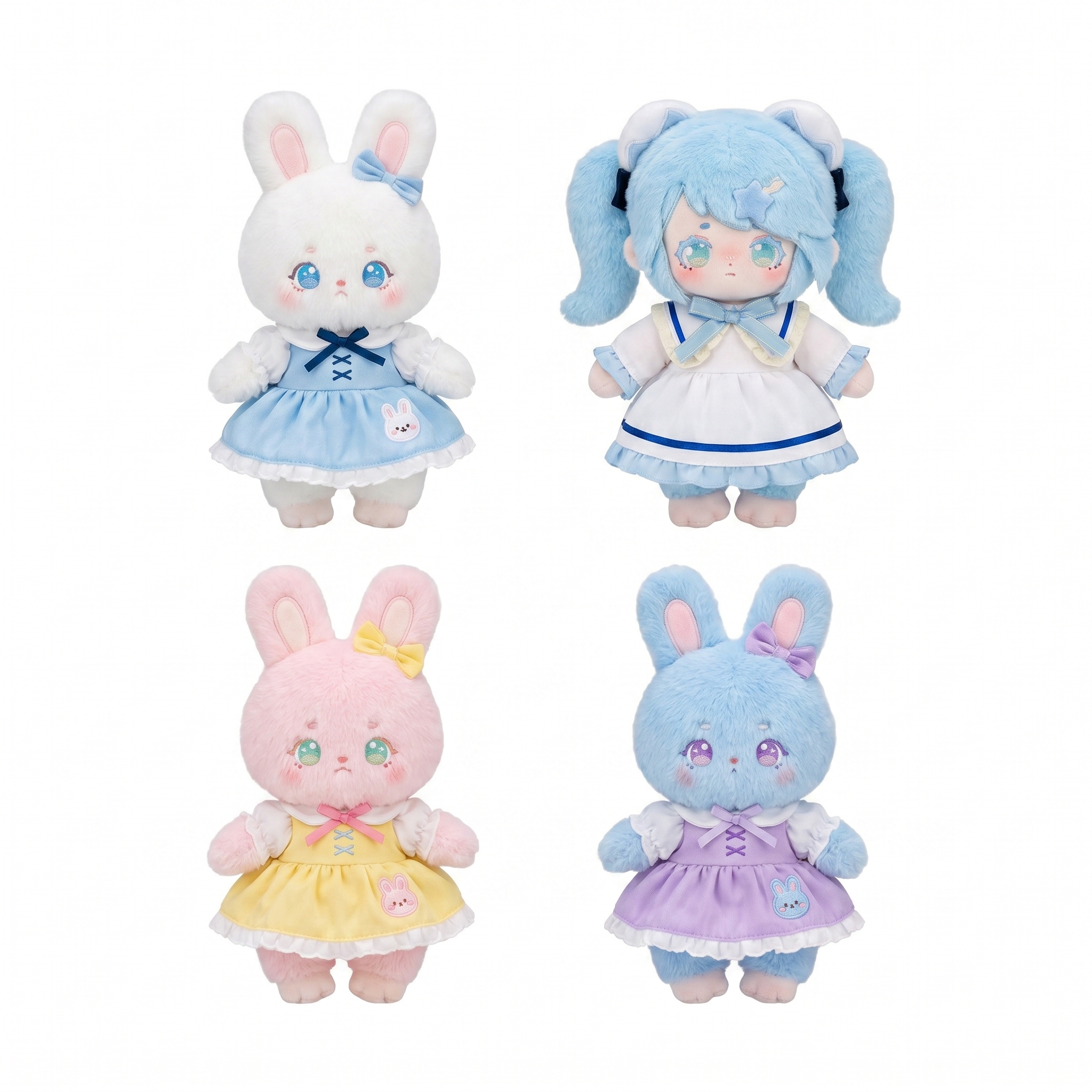
The single most effective display technique is the simplest: group by colour. A shelf with ten random figures in chaotic rainbow is a toy store shelf. A shelf with six or seven figures arranged in a deliberate warm palette — cream, blush, terracotta, amber — reads as an interior design choice.
Colour grouping works because it reduces visual noise. A display that flows tonally from light to dark, or stays within a restrained palette, creates a sense of calm that lets individual character designs speak for themselves.
- Monochrome shelves — Choose one colour family (all pastels, all earth tones) and curate your display accordingly. Highest-impact, lowest-effort styling move.
- The gradient — Arrange pieces from lightest to darkest across a single shelf. Natural visual rhythm that draws the eye from one end to the other.
- The neutral stage — Display brightly coloured pieces against a single-tone background. Let the figures be the colour; let the shelf disappear.
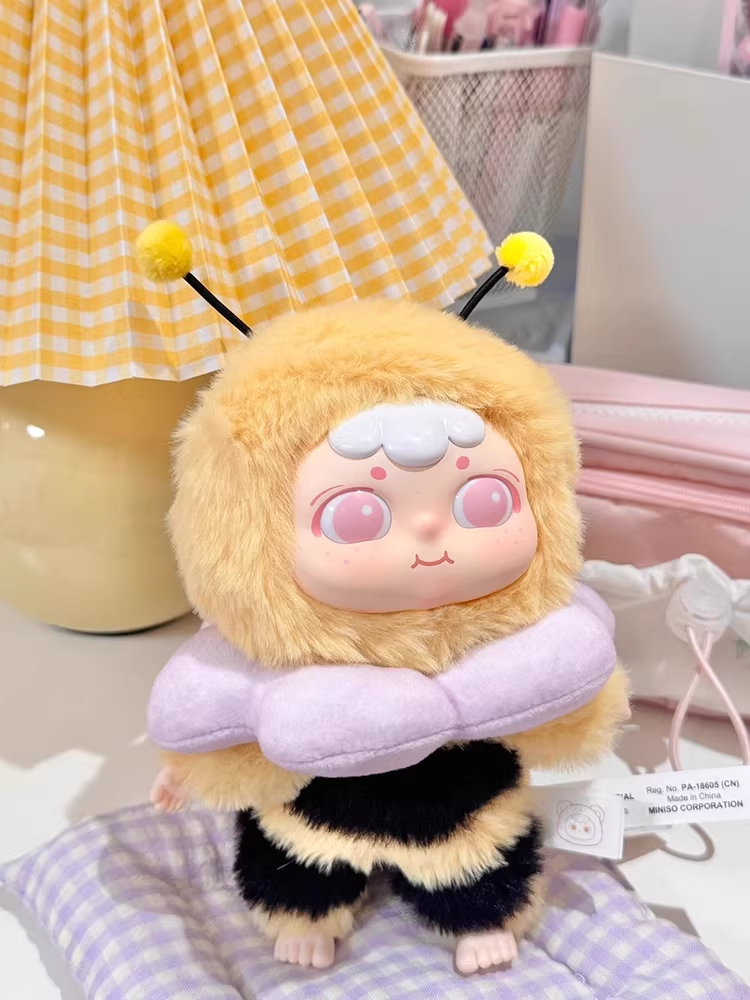
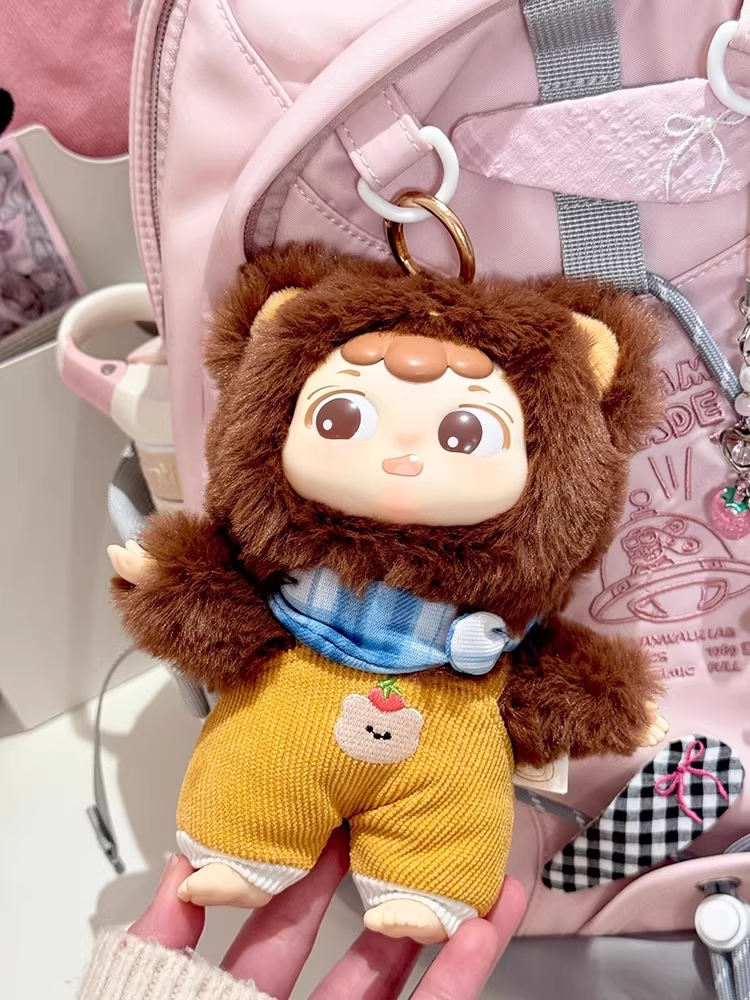
The Dumia Cute Beast Series works beautifully in a warm-neutral grouping. Its earthy tones and soft textures lend themselves to understated shelf arrangements where each piece feels like it belongs.
The Case for Glass Cabinets
Open shelving is the obvious choice, but glass-fronted cabinets offer something open shelves cannot: a sense of occasion. A museum uses glass to signal that what is inside matters.
A small glass display cabinet — wall-mounted vitrine or free-standing — transforms a collection from decorative clutter into curated art. The glass protects your figures from dust and sun exposure (a genuine concern in the GCC) while framing them. A figure inside a glass cabinet is a figure you have chosen to preserve.
The SHUYA Cream Puff Bunny collection, with its consistent cream-and-pink palette, is a natural fit for a glass cabinet display — the uniformity of the colour story creates cohesion, and the glass adds the polish.
Tips for glass cabinet styling:
- Avoid overcrowding. Three figures with breathing room will always beat eight crammed together.
- Use small risers or tiered display stands to create height variation. A flat row of identical-height figures is visually monotonous.
Lighting Changes Everything
In Dubai, natural light is abundant — and it is also the enemy of display. Direct sunlight fades colours over time, and the harsh midday brightness can wash out the subtle tones that make designer toys visually appealing.
Position your displays away from direct sun, and supplement with warm artificial light. LED strip lighting in the 2700K to 3000K warm white range transforms a shelf of collectibles into something that glows at golden hour, even at midnight.
- Warm over cool. Cool white light makes plastic look clinical. Warm white makes it look considered.
- Directional over ambient. A focused light on a display shelf beats a bright overhead room light.
- Dimmable is ideal. Adjust brightness from “bright daytime” to “evening ambient” without rearranging anything.
Grouping by Series: The Curated Shelf
There is a natural collector instinct to mix and match — to pull your favourite piece from each series and create an eclectic shelf. That works, but it is not always the most visually effective approach.
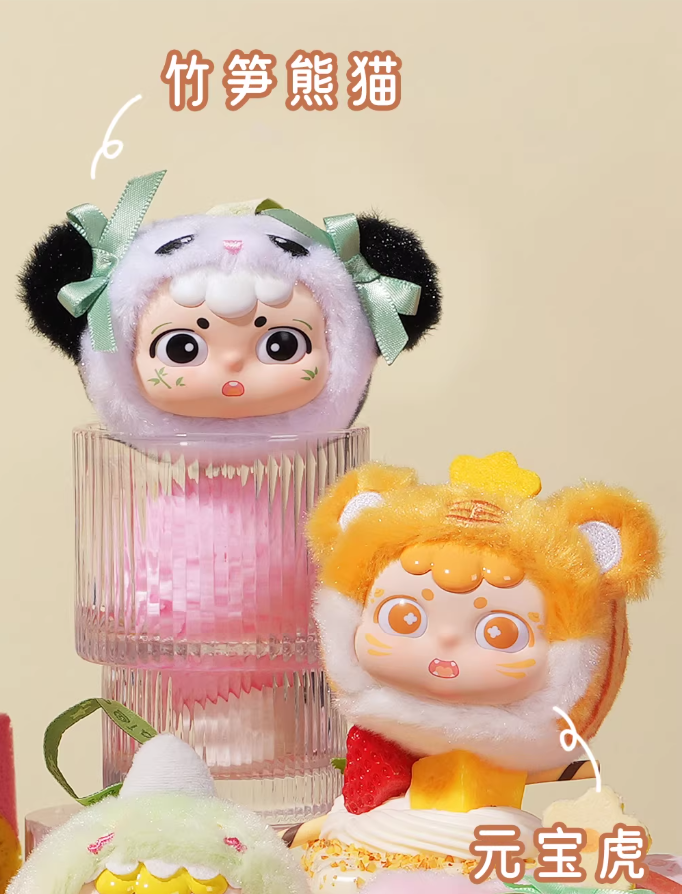
Grouping figures by series creates what interior designers call a vignette: a self-contained visual story on a single shelf. When five figures from the Dumia Forest Family Series sit together, they tell a story of woodland characters sharing a world. The shared design language makes the group feel intentional rather than random.
For collectors who own multiple series, dedicate individual shelves to individual series. The result invites exploration — each shelf a new chapter — rather than a single wall of visual noise.
Seasonal Rotation: Keeping It Fresh
One of the most underrated display techniques is rotation. Your collection does not need to show everything at once. In fact, showing everything is one of the fastest ways to make a collection feel cluttered.
Seasonal rotation works on a simple principle: display a curated selection, store the rest, and swap every few months. This keeps your space feeling fresh, gives each piece its moment, and creates a ritual of rediscovery when you pull figures out of storage you have not seen in months.
- Spring / Summer — Lighter palettes, pastel tones, pieces that pair with the bright, airy interiors typical of Dubai apartments in the warmer months.
- Autumn / Winter — Warmer, deeper tones. Richer textures. The kind of display that feels like a blanket on a cool evening.
- Feature Drops — When you add a new series, give it a two-week “premiere” on your best shelf before integrating it into the rotation.
For collectors who enjoy the plush format that has been reshaping Dubai’s collector shelves, seasonal rotation is particularly rewarding. Plush figures naturally feel warmer in cooler months, and switching to sharper vinyl pieces for summer keeps the display in dialogue with the season.
The Less-Is-More Philosophy
Dubai’s design culture has always leaned toward restraint — the luxury of space, the elegance of emptiness. The best designer toy displays follow the same logic.
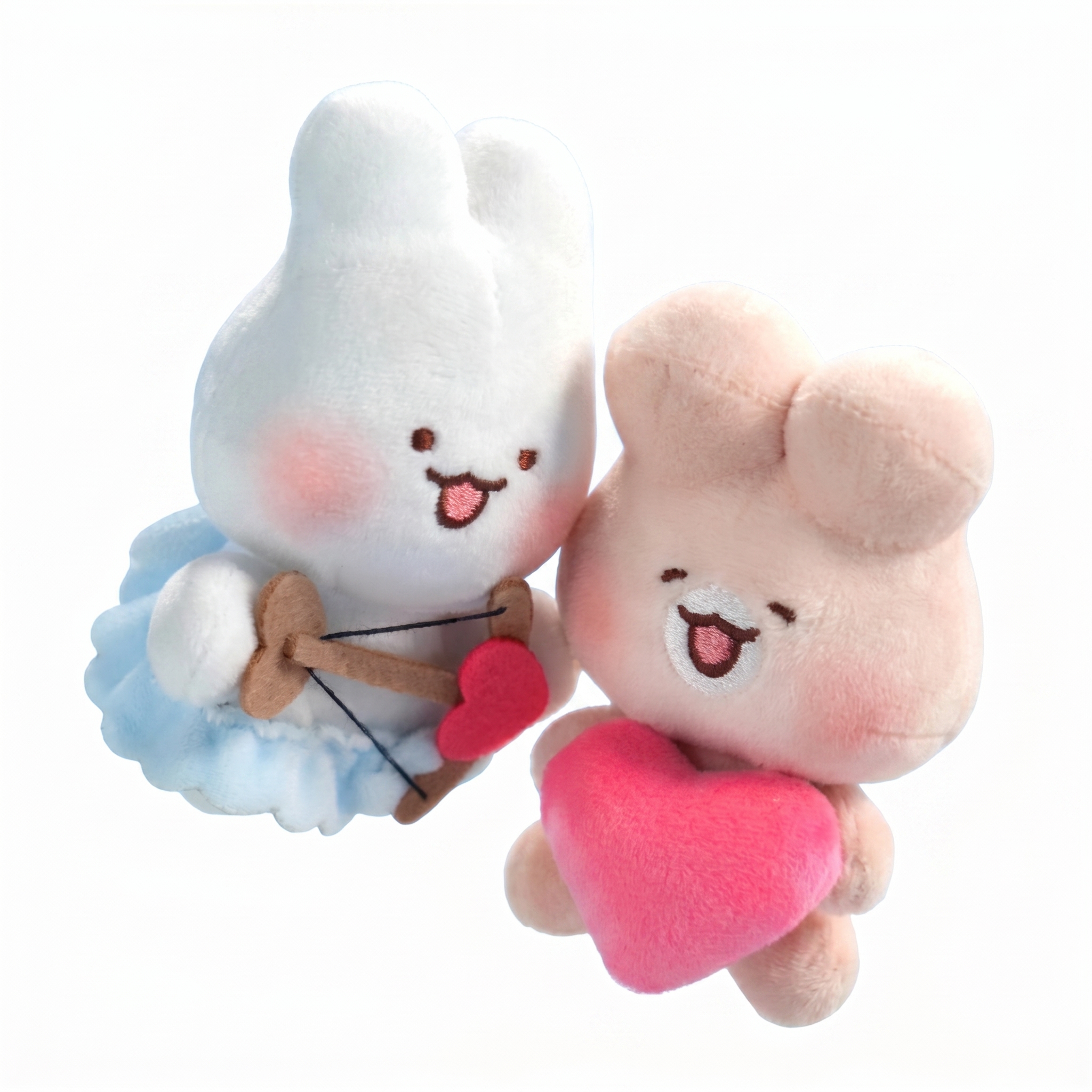
A shelf with three carefully chosen pieces and generous negative space will always be more striking than a shelf packed edge to edge. Negative space gives each figure room to be seen. It signals that you chose these pieces deliberately, that each one earned its place.
Treat your collection the way you would treat art. A piece of art in a gallery gets wall space, proper lighting, and silence. Your favourite designer toy deserves the same respect. Give it room. Let it breathe. The result is not just a better-looking shelf — it is a home that tells your story through the objects you choose to surround yourself with.
Building Your Display
Whether you are arranging your first three blind box figures or curating a full shelf of multiple series, the principles remain the same: colour cohesion, proper lighting, intentional grouping, and the confidence to leave space. Designer toys are not just collectibles — they are the objects that make a house feel like yours.
Building your collection? Contact via WhatsApp for the latest arrivals.
Get in Touch