 MUSE
MUSE
The Comfort Collector: How Kawaii Designer Toys Became Dubai's Favorite Stress Relief

The Quiet Revolution on Dubai’s Office Desks
There is a small, round, cream-coloured rabbit sitting on a finance manager’s desk in DIFC. It has closed eyes, a permanently peaceful expression, and a pastry-shaped head that looks like it was designed by someone who understood that sometimes the most radical act is to be unapologetically soft.
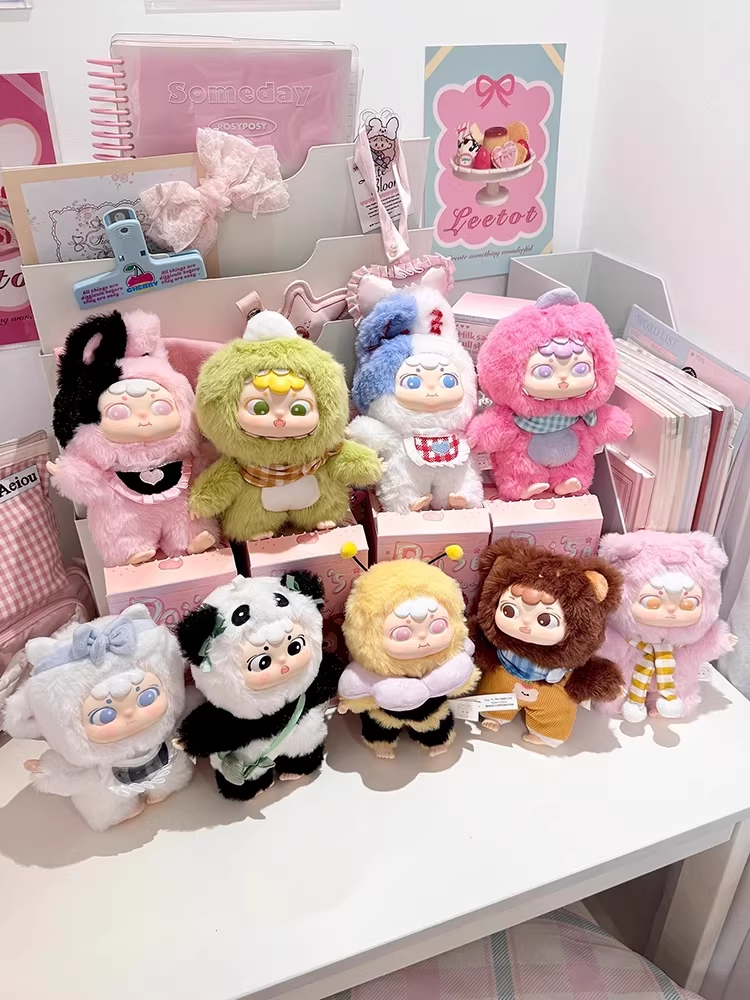
This is the SHUYA Cream Puff Bunny. And it is not alone. Across Dubai — in coworking spaces in Media City, on vanity tables in Jumeirah, in the back pockets of students at NYU Abu Dhabi — a quiet collection movement is taking hold. People are gathering small, cute, meticulously designed plush figures not for investment value or social media content, but for something simpler and harder to name: comfort.
Welcome to the comfort collecting trend, and it is more significant than it looks.
What Comfort Collecting Actually Means
Comfort collecting is not a term coined by marketers. It emerged organically from the community — people who discovered that surrounding themselves with aesthetically pleasing, tactile, small-scale objects produced a genuine emotional effect. Not excitement, not status, not novelty. Something steadier. A sense of calm possession. A visual and physical reminder that the world contains soft things.
The objects themselves share certain characteristics:
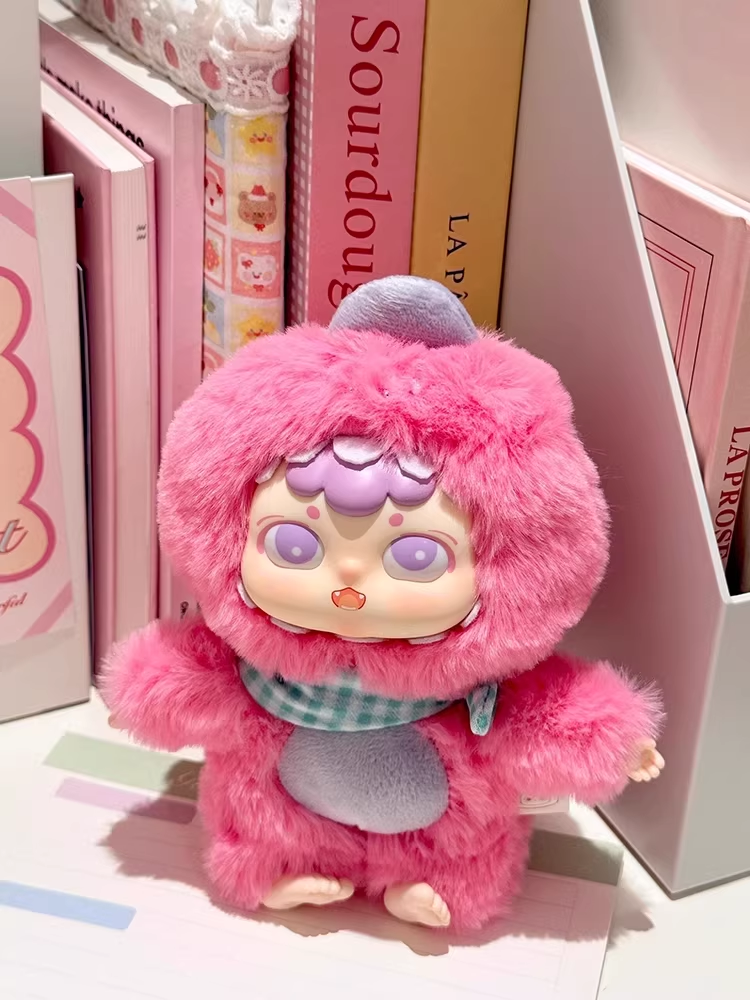
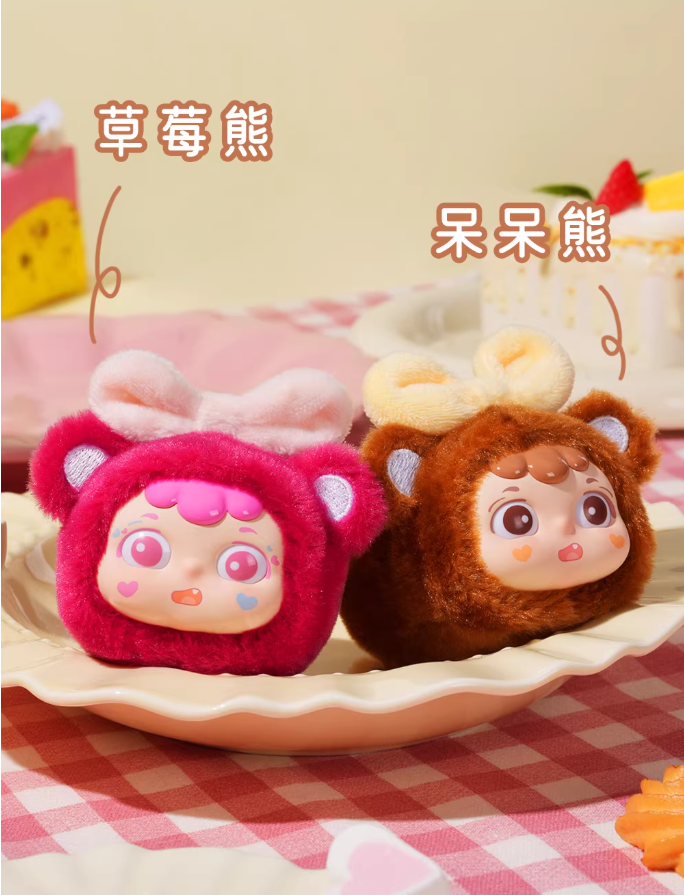
- Soft materials. Vinyl plush, plush-coated PVC, stuffed fabric. Things that feel good to hold.
- Peaceful expressions. Closed eyes, gentle smiles, neutral or serene faces. No aggression, no drama, no intensity.
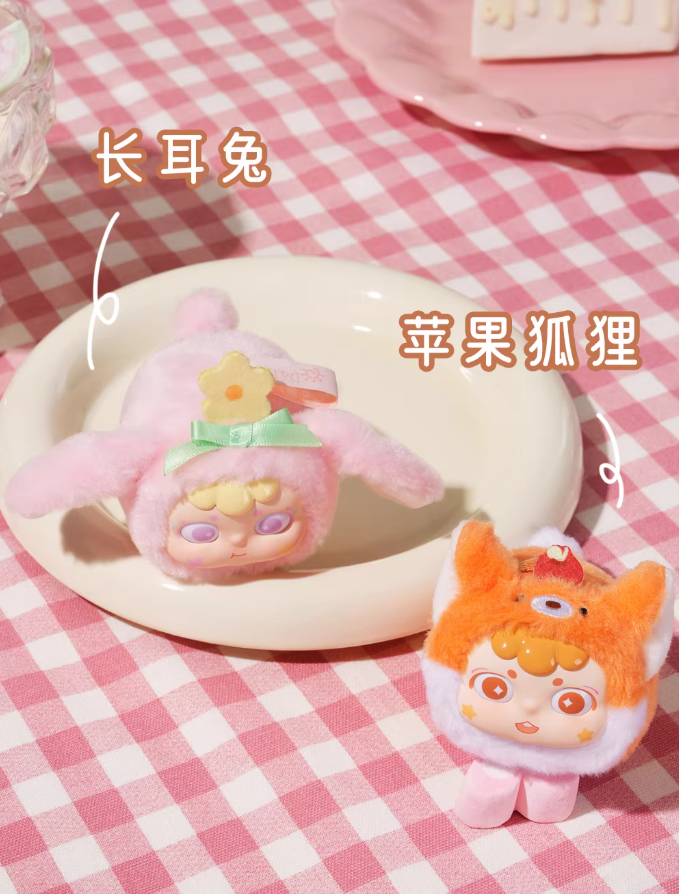
- Pastel or warm colour palettes. Cream, blush pink, sage green, soft lavender. Colours that recede rather than demand.
- Small scale. 8 to 15 centimetres. Enough to occupy a hand, a shelf corner, or a desk edge without becoming furniture.
- Limited complexity. Simple shapes, rounded forms, minimal sharp edges. The visual equivalent of a deep breath.
These are not toys in the traditional sense. They are not played with. They are placed, displayed, held briefly during a stressful meeting, and looked at when the eyes need something restful to land on.

The SHUYA Cream Puff Bunny: A Case Study in Calm Design
The SHUYA Cream Puff Bunny series from Maytree illustrates the comfort collecting aesthetic with unusual clarity.
The original Cream Puff Bunny Joy blind box presents a small rabbit character whose head is shaped like a cream puff pastry — not wearing a pastry hat, but actually shaped as one, the ears emerging from the curved dome of a choux pastry form. The colour treatment is warm ivory with blush accents, and the expression is one of contented stillness. The character does not look happy in an active, energetic sense. It looks settled. At peace. Done with performing.
The follow-up series, Cream Puff Bunny Mood, extends the concept with slight variations in expression and posture — the same character in subtly different emotional states, each one gentle, none of them extremes. One version tilts its head slightly, as if listening. Another holds a smaller pastry. The variations are small enough that you have to look closely to notice the differences, and that act of looking closely — of slowing down to observe a tiny detail on a tiny figure — is itself part of the comfort mechanism.
Both series are available as blind box figures and as vinyl plush keychains. The keychain format adds portability to the comfort equation: the object travels with you, a tactile anchor in a bag or on a keyring, available for a brief squeeze during a taxi ride through traffic or a long meeting that could have been an email.
Dreamy Utopia: When Comfort Gets Cinematic
If the SHUYA Cream Puff Bunny represents comfort at its most minimal, the Dreamy Utopia vinyl plush blind box series represents comfort at its most atmospheric.
Dreamy Utopia characters exist in a visual world of soft-focus landscapes, gentle light, and the kind of serene environment that feels like a place you might visit in a particularly good dream. The figures themselves are larger than the SHUYA line — closer to 12 to 15 centimetres — and feature more elaborate surface detail: layered outfits, subtle colour gradients across the vinyl plush surface, and expressions that suggest quiet wonder rather than simple contentment.
The design language pulls from a tradition of contemplative illustration — the kind of artwork that appears on gallery walls in calm, well-lit spaces. These are not characters from an action narrative or a comedic scenario. They are figures caught in a moment of stillness, and that stillness transfers to the viewer.
For collectors who want their comfort objects to carry a slightly richer visual narrative — something to look at for more than a passing glance — Dreamy Utopia delivers that depth without sacrificing the core appeal: gentleness, beauty, and the absence of urgency.

Why This Trend Resonates in the Gulf Specifically
The comfort collecting phenomenon is global, but the Gulf region has several characteristics that amplify it.
High-pressure professional culture. Dubai and Abu Dhabi attract ambitious professionals from around the world. The work culture is demanding, the standards are high, and the pace is relentless. Objects that provide a small, immediate sense of calm at a desk or in a bag serve a genuine functional need — not luxury, not decoration, but micro-recovery.
Compact living among expatriates. A significant portion of the Gulf’s resident population lives in apartments where space is intentional. Large decorative objects compete with functional furniture. Small, curated comfort pieces fit naturally into a space-conscious lifestyle — a single shelf, a nightstand corner, a desk edge.
Gift-giving culture without sentimentality overload. The Gulf has robust gifting traditions, but there is a cultural preference for gifts that feel considered without being overly personal. A carefully chosen blind box figure — aesthetically beautiful, emotionally gentle, culturally neutral — threads that needle perfectly.
Visual-first social media habits. Gulf social media users are among the most visually sophisticated in the world. Comfort collectibles photograph exceptionally well because their design language is inherently photogenic — soft colours, clean forms, gentle lighting. They produce content that looks effortless, which is precisely the content that performs best.
Building a Comfort Collection: A Practical Guide
Step 1: Choose your emotional register. Are you drawn to minimal calm (SHUYA Cream Puff Bunny), atmospheric serenity (Dreamy Utopia), or celestial wonder (Dumia Wandering Stars)? Start with the series whose emotional frequency matches what you actually need, not what looks most impressive in a photo.
Step 2: Designate a comfort zone. Choose one physical space — your desk, your nightstand, a specific shelf — where your comfort collection lives. Containment is part of the appeal. A curated cluster in one location creates a visual anchor; scattered objects across a room become clutter.
Step 3: Limit the palette. Comfort collections work best when the colour story is cohesive. If your space favours warm neutrals, lean into cream and blush tones. If you prefer cooler calm, sage and soft lavender create a different but equally effective atmosphere.
Step 4: Let the collection breathe. Three to five pieces in a curated arrangement create a stronger visual impact than fifteen crowded together. Comfort is partly about negative space — the empty area around an object that lets you actually see it.
Step 5: Engage the tactile dimension. Vinyl plush objects are meant to be held, not just displayed. Pick up your SHUYA bunny during a phone call. Hold a Dreamy Utopia figure while reading. The physical contact is where the comfort mechanism actually operates — visual placement sets the stage, but touch delivers the effect.
The Wellness Connection No One Is Talking About
There is a gap in the wellness conversation. The market is saturated with meditation apps, weighted blankets, aromatherapy diffusers, and sleep trackers — all valid tools, all requiring some degree of commitment, setup, or behavioural change.
Comfort collectibles require none of these things. They are passive wellness infrastructure. You place them, and they work through proximity and visual contact. No subscription. No charging. No learning curve. Just an aesthetically beautiful object that happens to lower the ambient stress level of any space it occupies.
This is not pseudoscience. Environmental psychology has long established that visual access to soft forms, warm colours, and non-threatening imagery reduces physiological stress markers. The comfort collecting trend is, in essence, a grassroots adoption of environmental design principles — arrived at intuitively by people who noticed that certain objects make their spaces feel calmer and their days slightly more bearable.
MUSE stocks the full SHUYA Cream Puff Bunny range, Dreamy Utopia vinyl plush series, and other comfort-focused designer toys with ready delivery across Dubai, Abu Dhabi, Riyadh, Doha, and the wider GCC. Explore the full collection or contact us on WhatsApp at +971 55 567 1672 for wholesale enquiries.