 MUSE
MUSE
Where Kawaii Meets Luxury: Why Gulf Collectors Love the Crossover Aesthetic
The Collision That Should Not Work
There is a contradiction at the heart of the GCC designer toy market that nobody talks about openly. Gulf luxury culture values restraint, heritage, and understated elegance. Kawaii culture — the Japanese aesthetic of cuteness — values exaggeration, pastel saturation, and emotional excess. By every conventional measure of taste, these two worlds should repel each other.
They do not. They attract. And the result is one of the most distinctive collector aesthetics anywhere in the world.
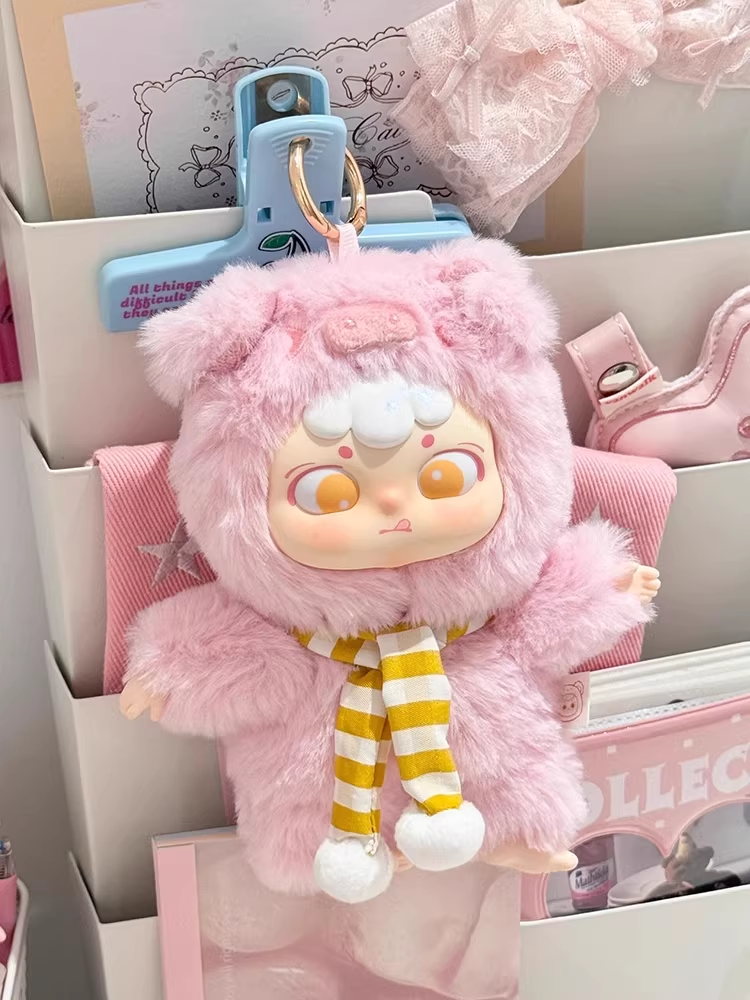
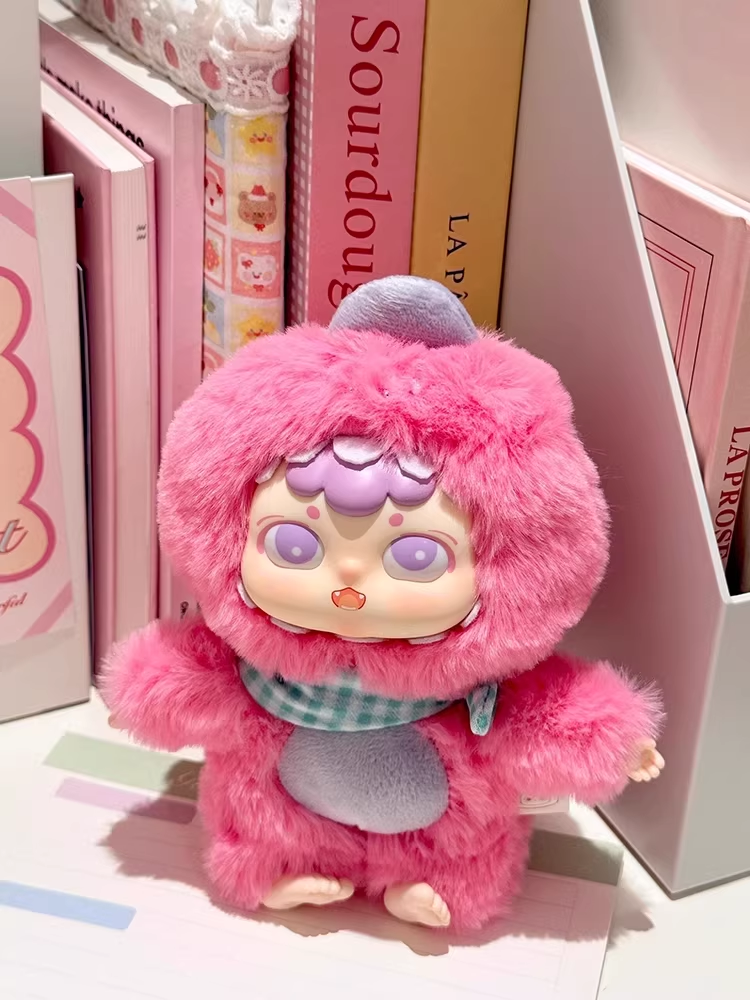
Walk into a well-appointed Dubai apartment and you might find a Maytree Dumia figure displayed next to a Diptyque candle, or a Shining Cardsprites blind box arranged on a shelf alongside fine ceramics. This is not aesthetic confusion. It is a deliberate, confident choice that says something specific about who Gulf collectors are and what they value.
Understanding why this crossover works reveals as much about the evolution of Gulf consumer culture as it does about the global designer toy phenomenon.
What Kawaii Actually Means in a Gulf Context
The word “kawaii” translates loosely as “cute,” but reducing it to that single descriptor misses the cultural machinery beneath. In Japan, kawaii is a philosophical position: a deliberate embrace of softness, vulnerability, and emotional openness in a culture that traditionally valued stoicism and formality. Kawaii is rebellion dressed in pastels.
In the Gulf, the translation is different but equally layered. When a Dubai collector places a Dumia Faded Tea Party figure on their work desk, they are not simply decorating. They are performing a kind of emotional self-care that Gulf luxury culture has historically made difficult to express. The kawaii object becomes a sanctioned space for softness — cute, yes, but also psychologically restorative.
This is why the GCC kawaii-collector community skews younger and more female than the general luxury-goods market, but not exclusively so. Male collectors in Saudi Arabia and the UAE have embraced brands like Maytree with genuine enthusiasm, drawn by the same tension: the pleasure of displaying something that defies the expected aesthetic vocabulary of Gulf masculinity.
The Design Principles That Bridge Two Worlds
Not every kawaii product succeeds in the Gulf. The crossover requires specific design principles that respect both aesthetic traditions.
Colour restraint. Gulf collectors gravitate toward muted pastels over saturated primaries. The SHUYA Cream Puff Bunny series succeeds precisely because its palette — warm cream, soft pink, pale gold — reads as “luxury kawaii” rather than “toy store kawaii.” Compare this to aggressively bright kawaii products that might dominate Japanese retail shelves but feel visually discordant in a Gulf interior design context.
This is where Maytree’s design philosophy shows particular intelligence. Collections like Dumia Forest Galaxy Tales and Aria Snow Whisper use colour stories that feel curated rather than random — each series has a defined palette that aligns with the kind of restrained, warm colour schemes that Gulf interior designers favour. The result is a collectible that feels at home in a luxury space rather than fighting against it.
Material quality. Gulf consumers are trained to assess material quality instinctively. A designer toy made from thin, brittle vinyl will be rejected by the same hands that evaluate handbag leather and watch movements. Maytree’s vinyl plush figures — with their weighted bases, smooth surface finish, and precise paint application — pass this tactile evaluation immediately. The product does not just look premium; it feels premium when you hold it.
Narrative depth. Kawaii products that succeed in the Gulf tend to carry emotional narratives rather than pure visual novelty. The Dumia Forest Family series, for instance, presents characters with implied relationships and backstories. For Gulf collectors accustomed to luxury brands that sell heritage and narrative (the watchmaker’s century of craft, the fashion house’s founding story), this narrative dimension transforms a plastic figure into something that carries meaning.
Cultural neutrality. Products with no political, religious, or culturally specific content perform best in the multi-national GCC market. Maytree’s character designs — universal forest creatures, celestial beings, food-inspired characters — navigate the Gulf’s complex cultural landscape without triggering sensitivities. This is not accidental; it is a deliberate design strategy that enables a single product to appeal from Riyadh to Doha to Manama.
The Display Culture Difference
How collectors display kawaii luxury pieces in the Gulf differs markedly from both Japanese and Western display conventions.
In Japan, kawaii collections are often displayed densely — shelves packed with figures, keyrings hanging from every available hook, maximum density as a visual statement. In Western markets, the “one figure per shelf” minimalist approach dominates.
Gulf collectors have invented a third approach: curated vignettes. A small grouping of three to five figures arranged as a composition, often alongside non-toy luxury objects — a candle, a small plant, a design book. The display communicates that the collection is part of a broader lifestyle aesthetic, not a standalone obsession.
This display philosophy explains why Gulf collectors respond strongly to series-based collecting. A standalone figure is an object; a complete series is a narrative arrangement. When collectors display the full Dumia Waltz series or the complete Cloud Elf crossbody bag collection, they are creating a curated scene — and that scene integrates naturally into the kind of thoughtful interior styling that Gulf luxury apartments demand.
The Social Currency of Kawaii Luxury
In Gulf social culture, possessions communicate identity. What you drive, what you wear, what sits on your shelf — these are all semiotic choices that signal taste, sophistication, and cultural awareness.
Designer toys occupy a specific position in this social semiotic system. They signal that the collector is globally aware (familiar with Japanese culture), aesthetically confident (willing to display something “cute” in a luxury context), and culturally current (engaged with a trend that is reshaping Gulf consumer culture).
This social currency function explains why unboxing videos from Gulf collectors tend to emphasise packaging quality, colour coordination with surrounding decor, and the “shelf moment” — the instant when a newly unboxed figure takes its place in the display. The social performance of collecting matters as much as the private enjoyment.
Where the Trend Is Heading
The kawaii-luxury crossover in the GCC is not a passing fad — it sits at the intersection of three structural trends that show no sign of reversing.
Demographic shift. The GCC’s young population (median age 31 in the UAE, 29 in Saudi Arabia) is culturally fluent in both Gulf luxury traditions and global pop culture. They do not see a contradiction between owning a luxury watch and collecting designer toys — they see a spectrum of taste that includes both.
Female economic power. Gulf women’s purchasing power and cultural influence are growing faster than in almost any other region. The kawaii aesthetic, historically underserved in Gulf retail, is experiencing demand that the market is only beginning to meet.
Social media identity construction. Gulf consumers are among the world’s most active social media users per capita. Designer toy collections provide inherently photogenic content that generates engagement — and the kawaii-luxury crossover aesthetic performs particularly well on platforms where visual curation is currency.
The brands that understand these dynamics — and design specifically for this crossover space — will define the next decade of Gulf collectibles culture.
A Market Still Defining Itself
What makes the GCC designer toy market exciting is that the aesthetic rules are still being written. Unlike Japan, where decades of kawaii culture have produced established conventions, or the West, where designer toy collecting has clear subcultural norms, the Gulf is actively inventing its own collector identity.
Every curated display, every unboxing shared on social media, every deliberate placement of a Maytree figure next to a luxury candle contributes to an emerging Gulf collector aesthetic that does not yet have a name — but that is increasingly visible, increasingly confident, and increasingly influential.
This is what makes collecting in the Gulf different from collecting anywhere else. You are not joining an established culture. You are building one.